Protein For Adolescent
Introduction
Protein is an essential nutrient for teenagers who are growing and developing at a fast pace. It is important to consume enough protein in these crucial years to help construct and repair tissues, facilitate muscle development and maintain good health. Here’s an in-depth look at why protein matters for teens, and how to make sure they get enough from their diet.
Why Adolescents Need Protein
Growth and Development: Adolescence brings about major physical transformation such as changes in height and muscle mass, and protein serves as crucial building blocks in this transition that promotes healthy growth.
Muscle Repair: The body needs maintenance and repair due to frequent activities, sports and even everyday movements. Protein is a source of support for muscle recovery and growth when you’re active.
Hormone Production: Protein is used by the body for hormone production, such as growth hormones and metabolism hormones. These processes all operate smoothly when you get enough protein.
Immune System: A huge cause of the immune system being so flaccid is the lack of protein. It protects the body from illnesses and infections. Teenagers are exposed to new environments and germs and it’s vitally important to have a strong immune system in place.
Sources of Protein for Adolescents
Animal-Based Proteins:
Lean Cuts: Chicken, turkey and lean pieces of beef are all high-quality sources of protein that provide valuable nutrients such as iron and zinc.
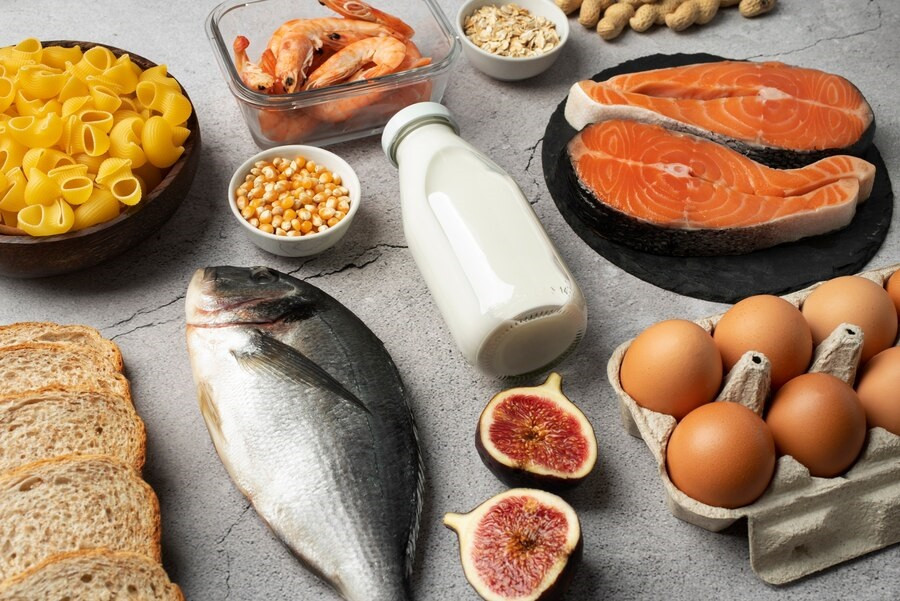
Fish: Fatty fish such as salmon and tuna provide protein and omega-3 fatty acids, both important for brain health.
Dairy Products: Milk, cheese, and yogurt have protein and Calcium, these nutrients in addition to their bone health benefits.
Plant-Based Proteins:
Beans and Legumi: Lentils, chickpeas and black beans are high in plant-based protein and fiber, aiding digestion and heart health.
Tofu & Tempeh: If you’re avoiding meat, these soy products are protein options for vegetarians and vegans.
Nuts and Seeds: High in healthy fats and protein, almonds, walnuts, chia seeds and flaxseeds are excellent snacks or meal toppers.
Whole Grains: Quinoa, brown rice and whole grain products add to the protein load and provide an array of other nutrients.
Incorporating Protein into Meals
Protein-packed Breakfasts: Begin the day with protein-heavy choices like eggs, Greek yogurt, or a protein-style smoothie. A tablespoon of nuts or seeds can also increase oatmeal protein intake.
Lunch Ideas: Add some lean protein, or plant-based options, to your sandwich or salad. I love quinoa bowls with veggies and beans for a healthy and filling meal.
Dinner Choices Meal Options: Add a sources of lean protein such as grilled chicken or tofu with whole grains and vegetables. Colourful Stir fries are delicious and nutritious with a mix of veggies and protein sources.
Snacks: You need some protein-rich snack options on hand, like trail mix, hummus with veggie sticks, or cottage cheese paired with fruit. These choices help keep energy high and aid in muscle recovery.
Meeting Protein Needs
The adolescent RDA for protein depends on things like age, sex and level of physical activity. In other words, adolescents should target consuming between 10-30% of their total daily caloric intake from protein. A doctor or nutritionist can offer guidance on individual requirements.
Conclusion
Protein is a key part of an adolescent’s diet because it helps in their growth and muscle development, in addition to overall health. Adolescents can get the protein they need for good health and development by including different types of protein sources in meals and snacks. Promote good eating habits early on, by offering a variety of proteins, you can help create lifelong healthy eating habits and taste preferences. With intentional eating and focus on nutrition, teens can help support their growth and develop at this significant stage in their lives.