What Kind Of Food Is Good During Periods
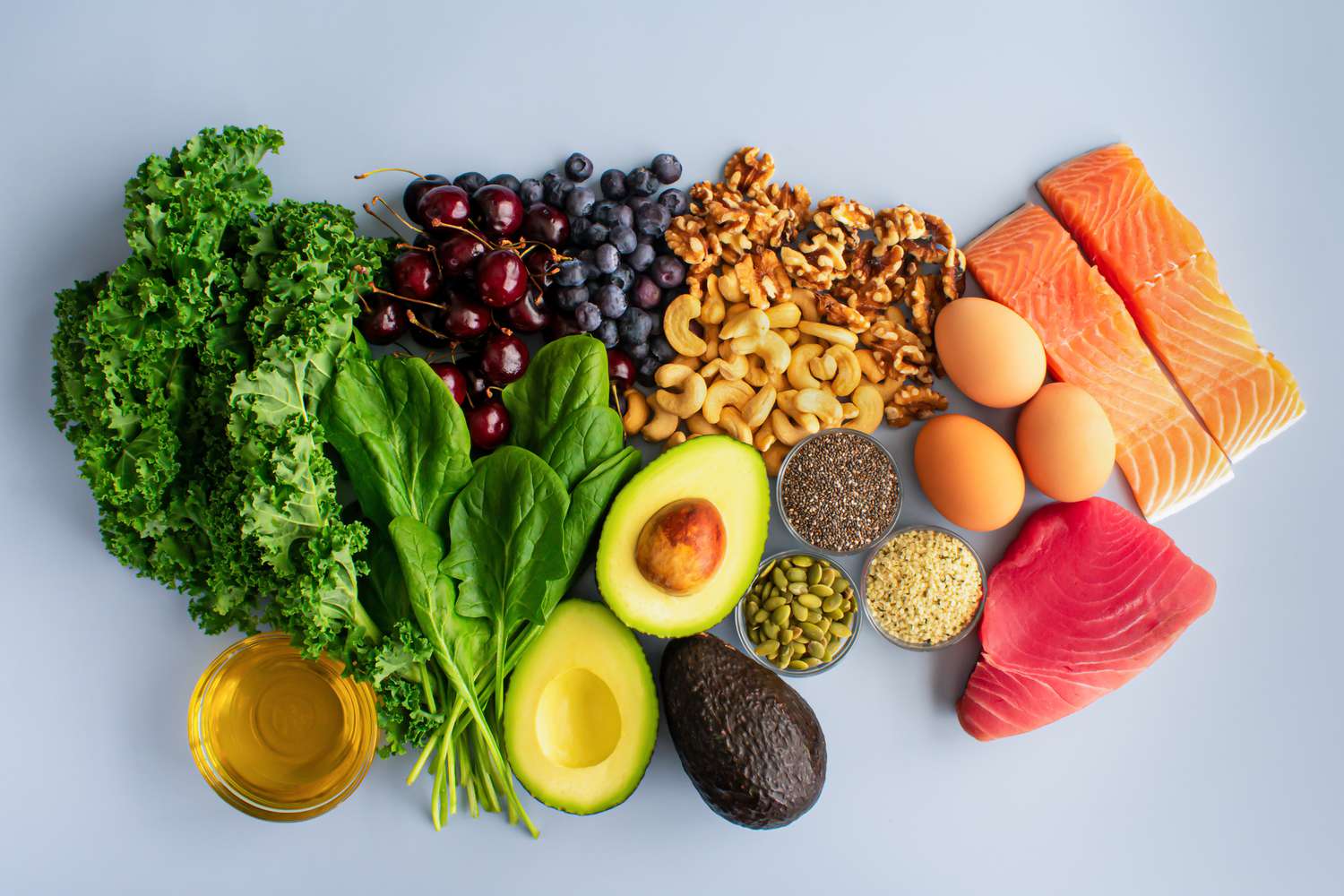
Dealing with menstrual symptoms can be challenging, but certain foods can help alleviate discomfort and support your body during your cycle. Here’s a comprehensive guide to foods that are beneficial to eat during your period:
Iron-Rich Foods
Heavy menstrual bleeding can lead to a decrease in iron levels, making it essential to include iron-rich foods to prevent or address anemia:
- Red Meat and Poultry: These are excellent sources of heme iron, which is readily absorbed by the body. Opt for lean cuts of beef, lamb, and chicken.
- Seafood: Shellfish like oysters and fish such as salmon are good sources of iron and have the added benefit of omega-3 fatty acids.
- Plant-Based Sources: Lentils, beans, tofu, and quinoa offer non-heme iron. Pair these with vitamin C-rich foods for better absorption.
Vitamin C-Rich Foods
Vitamin C not only boosts the immune system but also aids in iron absorption:
- Citrus Fruits: Oranges, grapefruits, lemons, and limes can be easily incorporated into meals or snacks.
- Berries: Strawberries, blueberries, and raspberries are packed with vitamin C and make a tasty addition to cereals or yogurt.
- Bell Peppers and Broccoli: These vegetables are versatile and can be included in salads, stir-fries, or soups.
Magnesium-Rich Foods
Magnesium helps to relax muscles and may reduce menstrual pain and headaches:
- Dark Leafy Greens: Spinach, kale, and Swiss chard are rich in magnesium and can be used in salads, smoothies, or cooked dishes.
- Nuts and Seeds: Almonds, sunflower seeds, and flaxseeds are great snacks or toppings for yogurt and oatmeal.
- Whole Grains: Brown rice, millet, and quinoa not only provide magnesium but also fiber and other nutrients.
Omega-3 Fatty Acids
Omega-3s have anti-inflammatory properties that can help reduce cramps and pain:
- Fatty Fish: Include salmon, mackerel, and sardines in your diet to receive omega-3 benefits.
- Chia and Flaxseeds: These seeds can easily be added to smoothies, cereals, or baked goods for an omega-3 boost.
- Walnuts: A heart-healthy nut that is high in omega-3s; enjoy as a snack or add to salads.
Calcium and Vitamin D-Rich Foods
Calcium and vitamin D work together to reduce cramps and improve mood:
- Dairy Products: Milk, yogurt, and cheese provide calcium, and many dairy products are fortified with vitamin D.
- Fortified Plant Milks: Almond, soy, and oat milks often have added calcium and vitamin D, making them a good alternative for those avoiding dairy.
- Eggs: A source of vitamin D, eggs can be a versatile ingredient in various meals.
Fiber-Rich Foods
Fiber helps to regulate digestion and can alleviate constipation or diarrhea related to menstrual symptoms:
- Whole Fruits and Vegetables: Apples, pears, broccoli, and carrots provide fiber and essential vitamins.
- Whole Grains: Oats, barley, and whole-grain bread can keep you full and satisfied.
- Legumes: Chickpeas, beans, and lentils are high in fiber and versatile for salads, soups, or stews.
Herbal Teas
Certain teas can help soothe menstrual discomfort:
- Ginger Tea: Known for its anti-inflammatory and nausea-reducing properties, ginger tea can also help with cramps.
- Peppermint Tea: A soothing beverage that can relieve bloating and digestive discomfort.
- Chamomile Tea: Known for its calming effects, chamomile can help reduce stress and improve sleep quality.
Hydration
Proper hydration is essential for managing menstruation-related water retention and bloating:
- Water: Aim to drink at least eight cups a day to stay well-hydrated.
- Herbal Teas and Infused Water: Adding cucumber, lemon, or mint to water can make it more enjoyable and refreshing.
Tips for a Balanced Diet:
- Small, Frequent Meals: Eating smaller meals more frequently can help maintain energy levels and ease digestion.
- Balanced Nutrition: Focus on a variety of foods to ensure you’re getting a range of nutrients that support overall health.
- Mindful Eating: Listen to your body and select foods that make you feel good during your period.
Incorporating these nutrient-dense foods into your diet can help manage menstrual symptoms and promote overall well-being. If you experience severe symptoms, consulting a healthcare professional is advised to ensure you receive appropriate guidance and care.