Food To Eat When You Have Heavy Periods
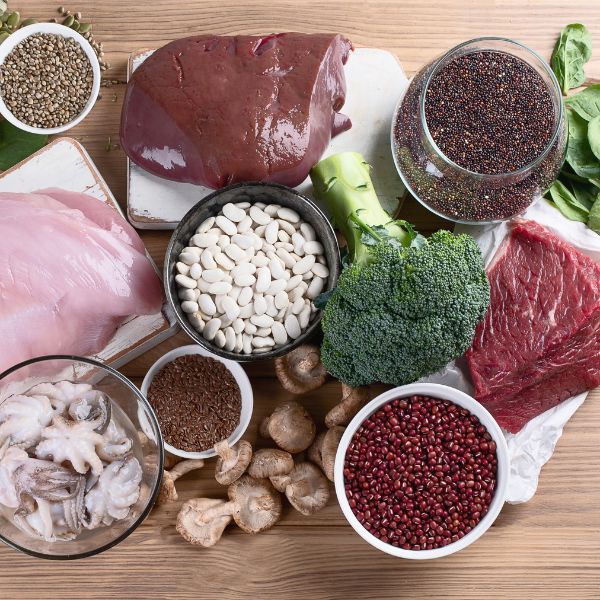
Experiencing heavy periods, also known as menorrhagia, can be challenging and quite taxing on the body. Managing your diet to include certain nutrient-rich foods can help alleviate some of the symptoms associated with heavy menstrual bleeding, such as fatigue, irritability, and pain. Here are some dietary recommendations to help support your body during this time:
Iron-Rich Foods
One of the major concerns with heavy periods is the potential for iron deficiency anemia, due to the loss of blood. Including iron-rich foods in your diet is crucial:
- Red Meat: Lean cuts of beef or lamb are excellent sources of heme iron, which is easier for the body to absorb compared to non-heme iron from plant sources.
- Poultry and Fish: Chicken, turkey, and fish such as salmon and sardines offer both protein and iron.
- Plant Sources: Incorporate legumes like lentils, beans, and tofu. Spinach, kale, and other dark leafy greens are also good sources of non-heme iron. Pairing these with vitamin C-rich foods can enhance absorption.
Vitamin C-Rich Foods
Vitamin C plays a key role in enhancing iron absorption and boosting your immune system:
- Citrus Fruits: Oranges, lemons, limes, and grapefruits are excellent sources of vitamin C.
- Berries: Strawberries, blueberries, and raspberries not only provide vitamin C but also antioxidants.
- Peppers and Tomatoes: Bell peppers, particularly red ones, and tomatoes can be included in salads or cooked dishes to boost vitamin C intake.
Magnesium-Rich Foods
Magnesium helps in reducing menstrual pain and combating fatigue:
- Nuts and Seeds: Almonds, cashews, and seeds like pumpkin and sunflower are rich in magnesium.
- Whole Grains: Whole grains such as brown rice, quinoa, and oats are not only filling but also provide magnesium.
- Dark Chocolate: A moderate amount of dark chocolate can be beneficial due to its magnesium content.
Omega-3 Fatty Acids
Omega-3 fatty acids have anti-inflammatory properties that can help reduce menstrual pain:
- Fatty Fish: Salmon, mackerel, and sardines are excellent sources.
- Chia and Flaxseeds: These seeds can be easily added to smoothies, cereals, or yogurt for an omega-3 boost.
Calcium and Vitamin D-Rich Foods
Calcium and vitamin D can alleviate menstrual cramps and improve mood:
- Dairy Products: Milk, yogurt, and cheese are excellent sources of calcium. Opt for fortified varieties to get vitamin D.
- Leafy Greens: Bok choy, broccoli, and fortified plant-based milks provide both nutrients.
- Eggs: A valuable source of vitamin D, eggs can be an easy addition to your diet.
Fiber-Rich Foods
Fiber can help regulate your digestive system, especially if certain medications taken during periods have constipating effects:
- Whole Fruits and Vegetables: Apples, pears, broccoli, and carrots are fibrous options to keep things moving smoothly.
- Whole Grains: Besides being magnesium-rich, whole grains like oats and barley also offer plenty of fiber.
Herbal Teas
Certain herbal teas can help relax muscles and reduce stress:
- Ginger Tea: Known for its anti-inflammatory properties, ginger tea can also help with nausea.
- Chamomile Tea: This tea is known for its calming effects and may reduce the severity of cramps.
- Peppermint Tea: It can help reduce bloating and digestive issues.
Hydration
Staying hydrated is crucial, especially with heavy bleeding:
- Water: Keep yourself well-hydrated throughout the day to compensate for fluid loss and help manage bloating.
- Electrolyte Solutions: Occasionally consume drinks that contain electrolytes to maintain balance.
Additional Tips:
- Small, Frequent Meals: Eating smaller, frequent meals can help maintain energy levels and prevent bloating.
- Avoid Caffeine and Alcohol: They can exacerbate cramps and contribute to dehydration.
- Limit Salt Intake: Reducing salt can help with bloating and water retention.
By integrating these nutrient-dense foods into your diet, you can help support your body’s needs during heavy periods. As always, if you experience severe symptoms or suspect anemia, consulting a healthcare provider is essential to receive appropriate care and guidance.