Food Hygiene Tips For Kids
Introduction
It’s important to teach children about food hygiene so they can stay safe and understand the best practices when handling food. Learning how to properly handle food can also prevent illness and promote a lifetime of healthy habits. Here are some tips that will help your kids learn to take care of their food in a way feels more like a game and less like a lecture.
Understanding Food Hygiene
Hygienic practices are designed to prevent food from becoming contaminated and also to ensure that the food is safe to consume. It encompasses the appropriate care, cooking, and storage of food. Teaching children about these practices allows them to understand why it is important to keep food clean and safe.
Food Hygiene Tips for Kids to Stay Clean and Healthy
Handwashing
Hand washing is the first step in food hygiene. Teach children to wash their hands carefully with soap and water before and after they handle food. Singing a chorus of a short song, such as “Happy Birthday,” twice can help make sure they wash for 20 seconds or so.
Clean Surfaces
Teach children how to clean kitchen surfaces before and after cooking for them. It is easy clean with damp cloth and mild soap then air dry. Describe the significance of having clean countertops, cutting boards, and utensils to prevent cross contamination.
Safe Food Handling
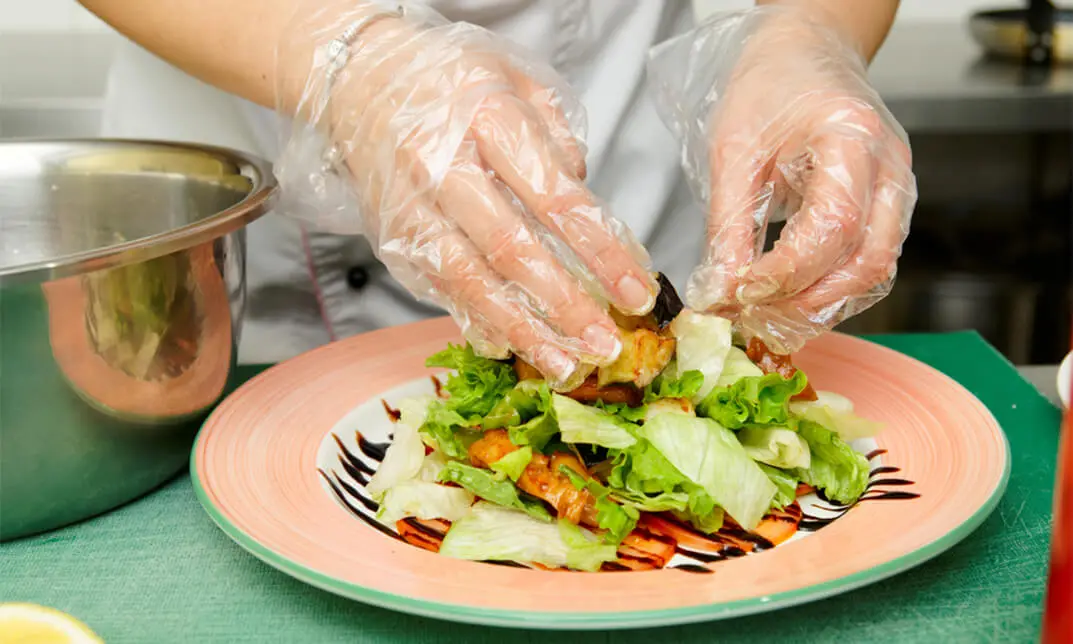
Teach children how to check food safety. Train them to cut raw meat and vegetables on separate cutting boards to prevent cross-contamination. Ask them to use tools, rather than hands, when practical, particularly with ready-to-eat foods.
Proper Storage
Introduce proper food storage techniques. Discuss the significance of refrigerating any perishables quickly and using airtight containers to maintain the freshness of foods. Show them how to date the leftovers they put away, so they will have some idea of when to use them.
Understanding Expiration Dates
Teach kids how to use expiration dates and what they represent. Break down the distinction between “sell by,” “use by,” and “best before” dates. Tell them to review these dates before they eat or cook something.
Cooking Temperatures
Educate kids about safe cooking temperatures. Demonstrate how to use a food thermometer to ensure meat is done. Note that different foods should each be cooked to a certain temperature safe to eat.
Avoiding Cross-Contamination
Show how to avoid contaminating other food when working in a kitchen. Encourage children to wash hands and utensils after coming into contact with raw meat. Encourage them to separate raw and cooked foods during preparation.
Safe Food Sampling
Tell children not to sample dishes made with uncooked eggs or meat. Describe the dangers of eating raw ingredients and suggest that they wait until the meal is cooked through. It is one way to avoid foodborne illness.
Importance of Refrigeration
Explain the need for refrigeration to prevent food from spoiling. Explain why refrigerating leftovers as soon as possible inhibits bacterial growth. Promote children to help put away food after meals to reinforce this routine.
Fun Learning Activities
Get kids excited about learning food safety with fun activities. Design quizzes or games to challenge their understanding of hygiene habits. Use storytelling to explain the journey of a germ and how hygiene impedes it.
Teaching Through Practice
What’s better to teach kids food hygiene than getting their hands dirty? Get them to cook with you, so they can put these tips into practice under your watchful eye. Question prompts and reinforce when they do get something right to build their confidence.
Conclusion
It is mandatory to teach young children about food hygiene in order to ensure safety and health. In teaching kids these behaviors, such as handwashing, proper food handling and how to safely cook, they learn to protect themselves and others. With activities that engage and practice that sticks, children enjoy learning. And these are skills that will guide them lifelong, including teaching them to grow up with a sense of food safety. Instructing and encouraging kids to prepare healthy and tasty meals, children can learn to be more responsible in the kitchen, while being more confident.