Can We Eat Food Immediately After Exercise
Introduction
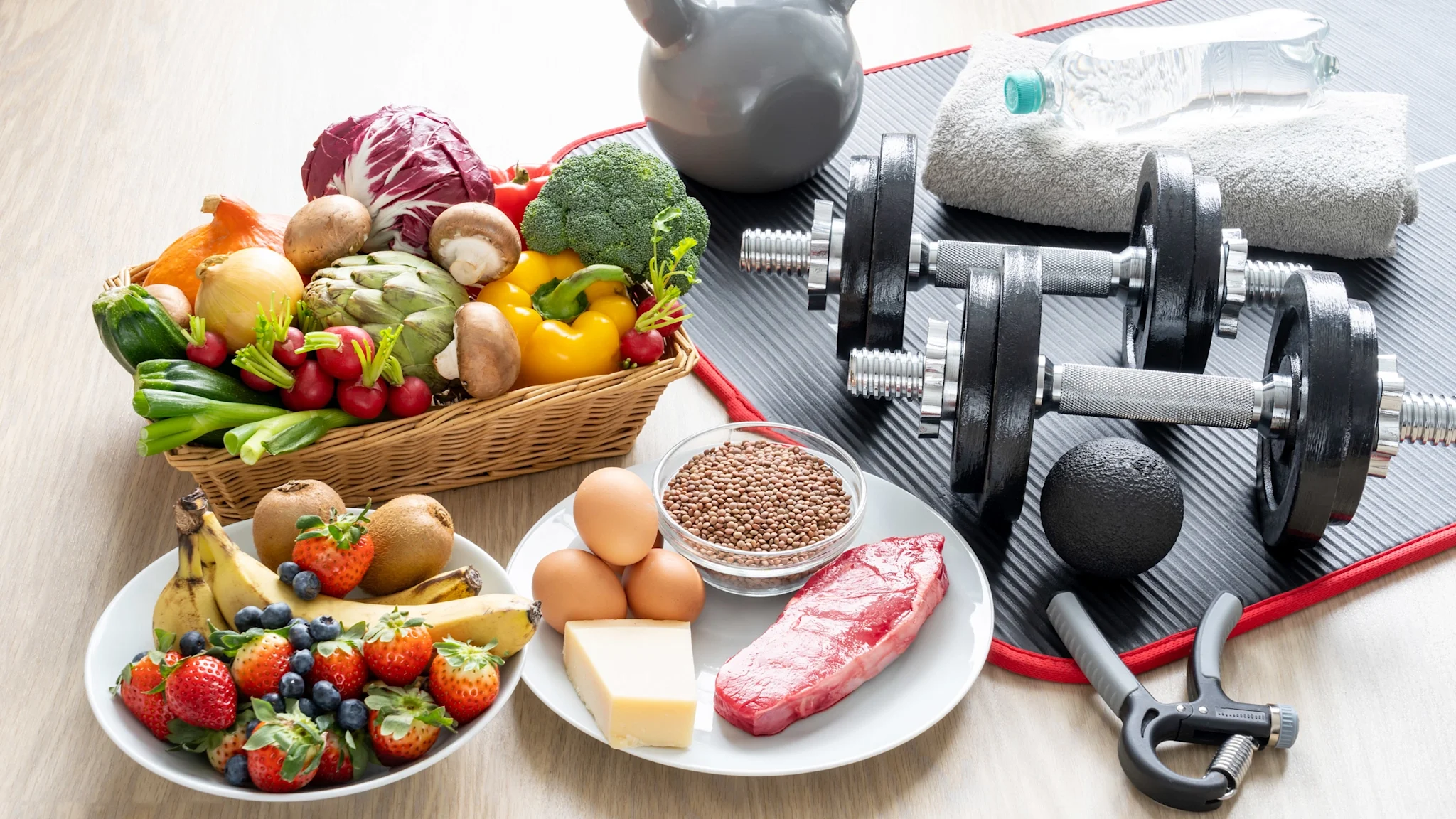
Eating after exercise is an important aspect of recovery and overall fitness. The timing and choice of foods consumed post-workout can significantly affect muscle repair, energy replenishment, and overall well-being. Understanding the benefits and best practices for post-exercise nutrition can help individuals optimize their fitness routines.
The Importance of Post-Exercise Nutrition
After exercising, the body needs nutrients to repair muscle fibers, replenish glycogen stores, and reduce muscle protein breakdown. Consuming the right foods can enhance recovery, support muscle growth, and prepare the body for future workouts.
Can You Eat Immediately After Exercise?
Yes, eating immediately after exercise is beneficial for several reasons:
1. Muscle Repair and Growth
After a workout, muscles are primed for repair and growth. Consuming protein-rich foods helps provide the essential amino acids needed for muscle synthesis. This aids in quicker recovery and muscle building.
2. Glycogen Replenishment
Exercise depletes glycogen stores, the body’s primary energy source. Eating carbohydrates right after a workout helps replenish these stores, ensuring sustained energy levels and enhanced recovery.
3. Reduced Muscle Soreness
Consuming a balanced meal after exercise can reduce muscle soreness. Nutrients help repair damaged muscle tissues and reduce inflammation, leading to quicker recovery and less discomfort.
Ideal Foods to Eat After Exercise
A combination of protein and carbohydrates is ideal for post-workout nutrition. Here are some recommended options:
Protein Sources
- Grilled Chicken or Turkey: These lean proteins provide high-quality amino acids for muscle repair.
- Fish: Salmon and tuna offer protein and healthy fats, supporting recovery and reducing inflammation.
- Eggs: High in protein and versatile, eggs are excellent for muscle synthesis.
Carbohydrate Sources
- Brown Rice or Quinoa: These complex carbohydrates provide sustained energy and aid in glycogen replenishment.
- Sweet Potatoes: Rich in carbohydrates and vitamins, they support energy restoration and recovery.
Healthy Fats
- Avocado: Offers healthy fats and nutrients that aid in reducing inflammation and promoting recovery.
- Nuts and Seeds: Almonds and chia seeds provide healthy fats and protein, supporting muscle repair.
Timing and Portion Control
Eating within 30 to 60 minutes after exercise is ideal for maximizing nutrient absorption and recovery. This window of time is when the body is most efficient at utilizing nutrients for repair and replenishment.
Portion sizes should be balanced, focusing on providing enough nutrients without overconsumption. A typical post-workout meal might include a serving of protein, a portion of carbohydrates, and a small amount of healthy fats.
Hydration
Rehydrating after a workout is crucial for recovery. Water is essential for maintaining bodily functions, while drinks like coconut water provide electrolytes to aid in rehydration. Ensuring adequate fluid intake helps replace what is lost through sweat and supports overall recovery.
Sample Post-Workout Meals
- Grilled Chicken with Quinoa and Steamed Vegetables: This meal provides a balance of protein, carbohydrates, and nutrients.
- Salmon with Sweet Potato and Spinach: Combines protein, healthy fats, and carbohydrates for optimal recovery.
- Egg and Avocado Toast on Whole-Grain Bread: Offers protein, healthy fats, and carbohydrates in a convenient form.
Conclusion
Eating immediately after exercise is beneficial for muscle repair, glycogen replenishment, and overall recovery. By focusing on a balanced intake of protein and carbohydrates, individuals can enhance their post-workout nutrition and support their fitness goals. Understanding the importance of timing, portion control, and hydration further optimizes recovery efforts. Embracing these practices leads to improved performance, reduced soreness, and a healthier lifestyle. By applying these principles, individuals can ensure that their post-exercise nutrition contributes positively to their overall well-being and fitness journey.