How To Avoid Processed Foods
Introduction
In today’s fast-paced society, processed foods have become a staple in many diets. However, these foods often contain additives, preservatives, and unhealthy fats that can impact overall health. By making mindful choices, individuals can reduce their intake of processed foods and embrace a more wholesome diet. This guide explores practical strategies for avoiding processed foods.
Understanding Processed Foods
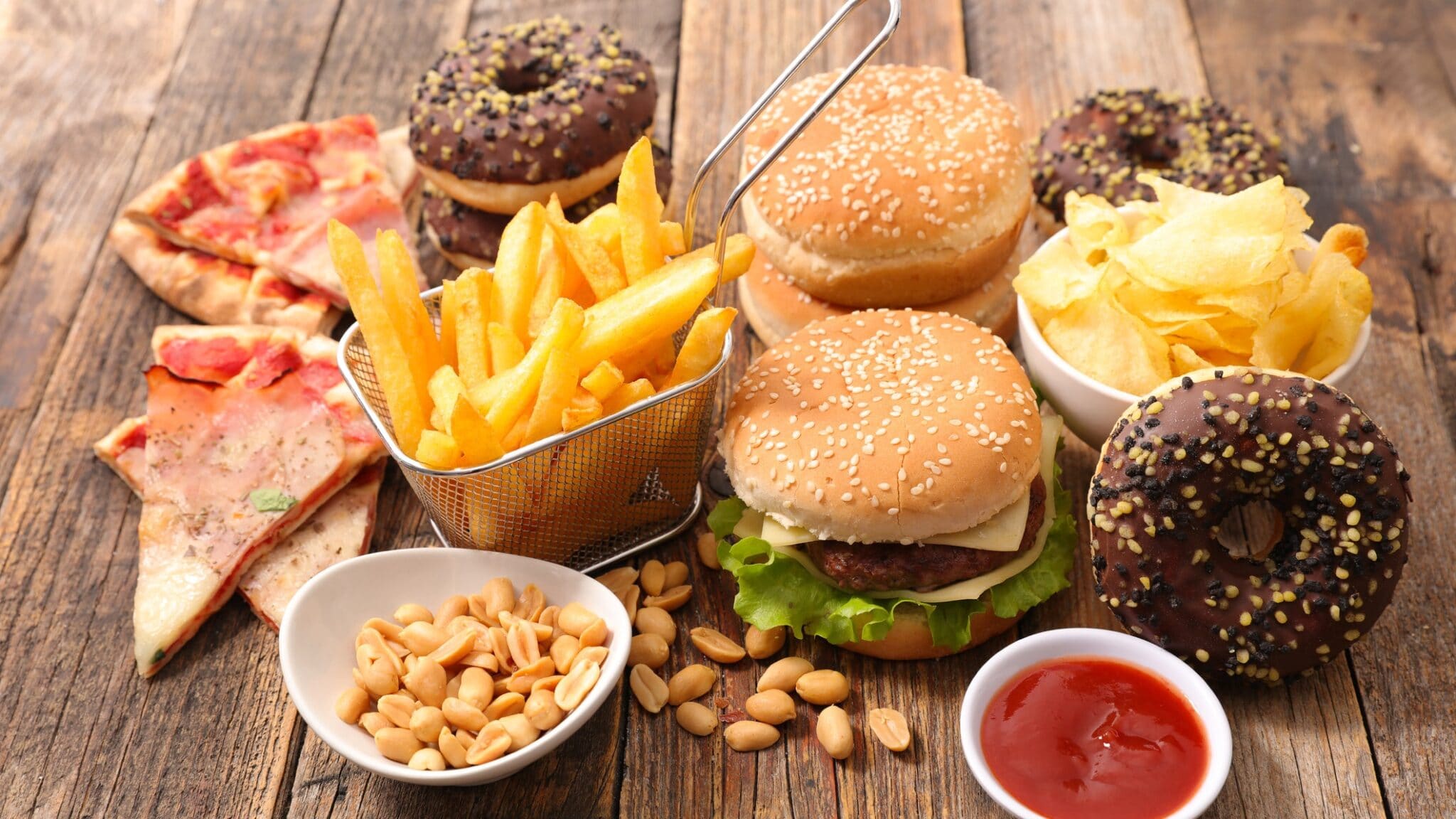
Processed foods are those that have been altered from their natural state through methods like canning, freezing, or adding ingredients. While some processing can be beneficial, such as pasteurization, heavily processed foods often contain high levels of sugar, salt, and unhealthy fats. Common examples include sugary snacks, instant noodles, and pre-packaged meals.
Benefits of Reducing Processed Foods
- Improved Health: Minimizing processed foods can lead to better health outcomes, including reduced risk of obesity, heart disease, and diabetes. Whole foods provide essential nutrients that support overall well-being.
- Enhanced Nutrient Intake: Whole foods like fruits, vegetables, grains, and lean proteins offer a rich array of vitamins, minerals, and antioxidants. These nutrients are often stripped away during processing.
- Better Weight Management: Whole foods are typically lower in calories and higher in fiber, promoting satiety and aiding in weight management.
Strategies to Avoid Processed Foods
- Plan Meals and Snacks: Planning meals and snacks in advance helps resist the temptation of processed convenience foods. Creating a weekly meal plan and shopping list can streamline this process and ensure a variety of nutritious options.
- Cook at Home: Preparing meals at home allows for greater control over ingredients and cooking methods. Experimenting with new recipes can make home cooking enjoyable and rewarding. Batch cooking and freezing portions can save time during busy weeks.
- Read Labels Carefully: When purchasing packaged foods, reading labels is crucial. Look for items with minimal ingredients and avoid those with added sugars, artificial flavors, and preservatives. Familiarity with common additives can aid in making informed choices.
- Choose Whole Foods: Focus on buying whole, unprocessed foods such as fresh fruits, vegetables, whole grains, nuts, and seeds. These foods can form the basis of a nutritious diet and provide a wide range of health benefits.
- Shop the Perimeter: Supermarkets often place whole foods like produce, dairy, and meat around the store’s perimeter. Concentrating shopping efforts in these areas can help avoid highly processed items typically found in the center aisles.
- Make Simple Swaps: Gradually replacing processed foods with healthier alternatives can make the transition easier. Swap white bread for whole-grain bread, sugary cereals for oatmeal, and soda for infused water or herbal teas.
- Limit Convenience Foods: While convenience foods are tempting, they often come with a nutritional cost. Limiting reliance on these items encourages more mindful eating habits. Preparing simple snacks like fruit, yogurt, or homemade trail mix can satisfy cravings without compromising nutrition.
Overcoming Challenges
Avoiding processed foods can present challenges, particularly for those with busy schedules or limited access to fresh options. Solutions include:
- Batch Cooking: Preparing large quantities of meals and freezing them for later use can save time and effort.
- Simple Recipes: Focusing on recipes with few ingredients and short preparation times can make cooking more accessible.
- Community Support: Joining groups or forums focused on healthy eating can provide encouragement and ideas.
Conclusion
Avoiding processed foods is a proactive step toward better health and well-being. By planning meals, cooking at home, and making informed choices, individuals can reduce their intake of unhealthy ingredients. Embracing whole foods not only supports physical health but also enhances overall quality of life. With commitment and creativity, a diet rich in natural, unprocessed foods is achievable and rewarding.