Checklist for event planning
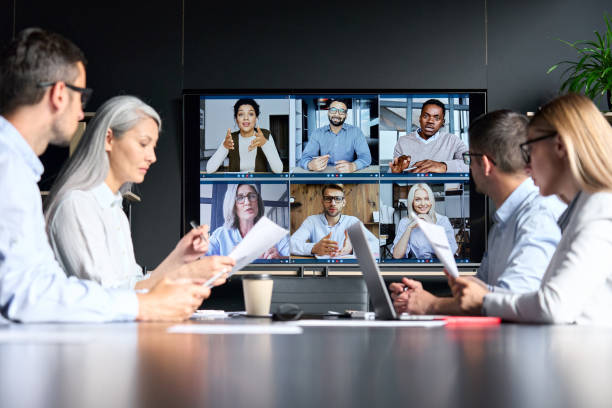
Checklist for event planning
Virtual events have become the most popular event type in today’s world. Virtual events are set to continue their rise based on their success. We have created an easy-to-follow checklist to help you plan your next virtual event.
Before the virtual event
Define your event purpose
Each event has a purpose. Before you start planning, determine the purpose of your event. Are you looking to increase brand awareness? Collect leads and Get to know your attendees. Encourage networking? A clear focus is required for virtual events. Please write down the purpose of your event and let it guide you through your planning process.
Identify event goals
To gauge the event’s performance against set goals, goal setting is done prior to an event. Although virtual events are a relatively new event type, your goals can still be based upon past events. You can compare the success of your events using a single platform for event technology. Realize that virtual event goals are only a guess when you first set them. After hosting a few virtual events it will become easier to establish realistic attendance and registration goals.
Make a virtual budget for your event
Your budget for virtual events will be different from that of in-person events. Virtual events will have a different budget than in-person events. Instead of spending 25% on technology and 75% on venues, décor F&B, staffing, travel, etc. Your biggest expense when hosting an event online will be your technology.
Create a content plan for events
After deciding the purpose of your event, you must create your content plan. Virtual events are driven by content. It drives engagement, attendance, and networking. Content is the heart of every attendee experience. When planning your content, focus on quality and not quantity. Virtual events offer attendees endless distractions. This may make it difficult to plan your content. You might want to spread the event over multiple days, offer live and on-demand content options, keep sessions brief and informative, and provide both live and recorded content options.
Best practices for Virtual Content
- Production value is important. A session that is well-produced will have more attendees.
- Session length is important. Keep sessions shorter than at an in-person event if the content isn’t varied and isn’t engaging.
- Make sure to train speakers and make sure their equipment works before the event.
- Incorporate engagement opportunities such as polling and live Q&A into the sessions.
During the virtual event
Invite virtual attendees to your event
Engage attendees through social media, live polling, Q&A and gamification using a mobile app. Participants should have the ability to interact with each other and the content.
Capture data from attendees
You can use virtual event technology to capture engagement rates, such as session attendance and how long attendees spend engaging with sessions. To better identify potential leads for sales, you can use attendee data to build stronger profiles of attendees.
Facilitate networking and one on one appointments
You will need to offer opportunities for sponsors and attendees to interact, depending on the event’s length. Facilitate one-on-1 meetings, networking, or breakout sessions.
After the virtual event
Send us feedback
You can use your feedback survey to gauge the success of your event. To ensure reliable data, send attendees a short feedback survey.
Analyse data from the virtual event
Now that you have gathered all the data, it is time to start digging into it. Use the virtual event goals to guide you as you sort through the data. See how your event compares with the goals set at the beginning.