Prepare A Beverage List Of A Food And Beverage Outlet
Introduction
There is more to writing a drinks list for an F&B outlet than just putting together a variety of drinks. Variety must be carefully managed to balance supply, quality and customer demand. A thoughtfully curated list of libations can elevate the experience of a meal, match the offerings and serve all palates. This handbook provides an overview of what you need to know in order to create the best possible drink menu.
Understanding the Audience
Before creating the drink menu, it’s important to know the people you’ll be serving. Think about the outlet’s theme, where it is situated and who its clientele are. Is the crowd mostly young professionals, families or tourists? This lens will be used throughout the selection process to ensure that the beverage offerings meet guest expectations.
Balancing Variety and Focus
There are so many drinking options, but a good drinks list is one that covers all bases while having a great through line. One can overwhelm customers; the other may not satisfy them. That balance should be a mix that looks something like:
Alcoholic Beverages:
Wine: Serve red, white and rosé wines. Stock favourites like Cabernet Sauvignon, Merlot, Chardonnay and Sauvignon Blanc. “Perhaps even serve local or boutique wines to give it a little twist.
Spirits: Offer spirits such as vodka, gin, rum, tequila and whiskey. Bring in both popular brands and luxury options to allow for variability in preference.
Beer: Serve up a selection of beer, ranging from light lagers to heavy stouts. You can consider a local craft beer or go with some favorites from other countries to accommodate various tastes.
Cocktails: Create a menu of favorite and specialty cocktails. Serve recognized classics such as Mojito, Margarita or Old Fashioned but also inventive drinks relating to the bar themes.
Non-Alcoholic Beverages:
Mocktails: Serve up non-alcoholic mocktails for an adult twist on flavored drinks. Emphasize interesting flavor profiles and the freshest ingredients to draw teetotalers.
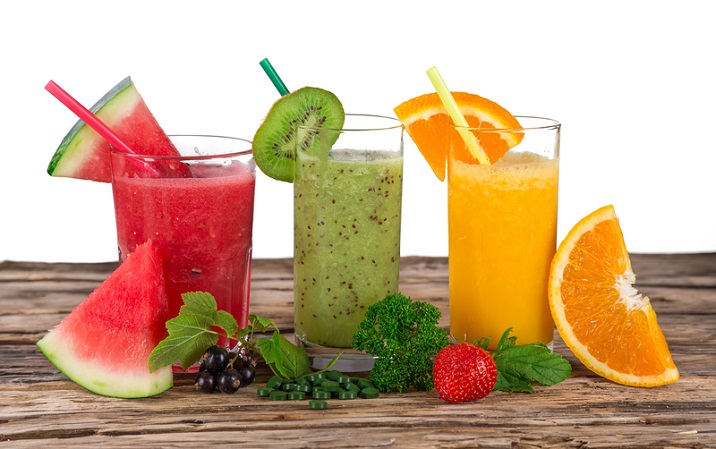
Juices and Smoothies: Serve fresh-squeeze juices and smoothies. Feature local fruits and vegetables for a healthy, fresh choice.
Sodas and Soft Drinks: (To Meet Minimal Requirements) A large assortment of seltzer, cola, and diet soda.
Tea and Coffee Selections You can select a variety of teas and special coffees. Think about loose leaf teas and exotically flavoured coffee Mixes to add to the mini spoils.
Emphasizing Quality and Presentation
And I believe that is how quality and presentation play a crucial part in the beverage experience. Make all drinks to the highest standard and serve them with pride. Educate your staff on how to prepare beverages and serve them with both consistency and care.
Is there specific glassware per its name? The proper glass will accentuate the scent and appearance of the beverage.
Garnishes: Add fresh garnishes like citrus slices, herbs and/or edible flowers to the drink.
Consistency: Make sure all your drinks are made to the same standards- maintain that level of excellence you and your customers are used to receiving from the venue.
Incorporating Seasonal and Local Elements
Emphasizing seasonal and local can help the beverage list stand out. Rotate options with the season or, better yet, highlight local ingredients or brands. This not only helps the community, but makes his collection feel more real.
Pricing and Value
The pricing needs to be competitive, yet a reflection of the quality and variety on offer. Propose to add more prices so it works for every budget. An incredible up-sell is bundle deals like a wine flight or a cocktail sampler which provides enhanced value and supports exploration.
Promoting Responsible Drinking
Supporting moderation is key in generating a safe and enjoyable atmosphere. Provide alternatives that aren’t alcoholic and easily indicate them on the menu. Educate and train workers to observe signs of overindulgence, and take the appropriate action with sensitivity and professionalism.
Engaging Descriptions
Write well crafted and informative descriptions for each drink. Feature exotic ingredients, preparation style or the backstory of a signature cocktail. Well crafted descriptions will attract a customer and make their experience better.
Conclusion
The beverage list in a food and beverage outlet should achieve balance between choice, excellence and customer appeal. They know their audience, they deliver a strong product (product being quality and presentation), add local and seasonal elements and subtly encourage responsible drinking, which results in an outlet’s bev list elevating the dining experience to stay long in your memory. Careful planning and imagination will ensure that a variety of palates is catered for in the selection of beverages, with the character of the outlet being duly represented.