Eye Care Food Tips
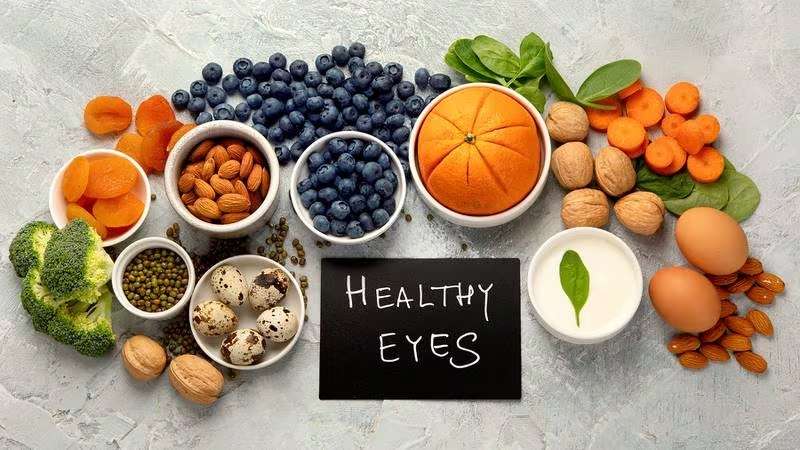
Caring for your eyes goes beyond regular checkups—your diet plays a significant role in maintaining eye health and preventing age-related vision issues. Here are some eye care food tips to help keep your vision sharp and your eyes healthy:
1. Leafy Green Vegetables
Why it Helps: Leafy greens are high in lutein and zeaxanthin, antioxidants that protect the eyes from damaging light and may reduce the risk of chronic eye diseases.
Foods to Include:
- Spinach and Kale: These are rich in lutein and zeaxanthin and can be added to salads, smoothies, or cooked dishes.
- Collard Greens: Another excellent source, these can be sautéed or used as a wrap substitute.
2. Omega-3 Fatty Acids
Why it Helps: Omega-3s contribute to visual development and the health of the retina; they can also protect against dry eyes and macular degeneration.
Foods to Include:
- Fatty Fish: Salmon, mackerel, and sardines are excellent sources of omega-3 fatty acids. Aim to include these in your diet at least twice a week.
- Flaxseeds and Chia Seeds: These plant-based sources can be added to yogurt, oatmeal, or smoothies.
3. Vitamin C-Rich Foods
Why it Helps: Vitamin C is an antioxidant that may slow the progression of cataracts and age-related macular degeneration.
Foods to Include:
- Citrus Fruits: Oranges, grapefruits, and lemons are rich in vitamin C and easy to incorporate into your diet.
- Bell Peppers and Broccoli: Both are versatile and can be added to a variety of dishes for extra vitamin C.
4. Vitamin E-Rich Foods
Why it Helps: Vitamin E is a powerful antioxidant that can protect eye cells from damage by free radicals.
Foods to Include:
- Nuts and Seeds: Almonds, sunflower seeds, and hazelnuts are high in vitamin E and make great snacks.
- Wheat Germ and Vegetable Oils: Use wheat germ or oils like sunflower oil to add vitamin E to your diet.
5. Zinc and Selenium
Why it Helps: Zinc helps maintain the health of the retina and may protect against night blindness, while selenium supports antioxidant activity.
Foods to Include:
- Shellfish and Meat: Oysters, beef, and chicken are rich in zinc.
- Eggs and Brazil Nuts: Provide both zinc and selenium; Brazil nuts are particularly high in selenium.
6. Beta-Carotene
Why it Helps: Beta-carotene is converted into vitamin A in the body, essential for good vision, especially in low light.
Foods to Include:
- Carrots and Sweet Potatoes: Both are high in beta-carotene; carrot sticks or baked sweet potatoes are easy, delicious options.
- Butternut Squash and Pumpkin: These can be used in soups, roasted, or added to dishes for a beta-carotene boost.
7. Bioflavonoids & Antioxidants
Why it Helps: Bioflavonoids, or flavonoids, help support healthy eyes by working with vitamin C to protect the eyes, and antioxidants fight free radicals.
Foods to Include:
- Berries: Blueberries, strawberries, and blackberries are packed with antioxidants.
- Dark Chocolate: In moderation, it offers antioxidants and flavonoids that support eye health.
Additional Eye Care Tips:
- Balanced Diet: Maintain a balanced diet rich in a variety of foods to ensure you receive all the necessary nutrients for eye health.
- Regular Checkups: Complement your diet with regular eye exams to monitor eye health and catch any potential problems early.
- Hydration: Ensure adequate water intake to help maintain eye moisture and reduce irritation and dry eyes.
- Limit Exposure to Screen Time: Follow the 20-20-20 rule: every 20 minutes, look at something 20 feet away for 20 seconds to reduce eye strain.
By following these eye care food tips and incorporating nutrient-rich foods into your diet, you can support your eye health and potentially prevent vision-related problems in the future. Remember, lifestyle factors such as wearing sunglasses to protect against UV rays and quitting smoking can also have significant positive effects on your eye health.