7 Belly Flattening Food Tips
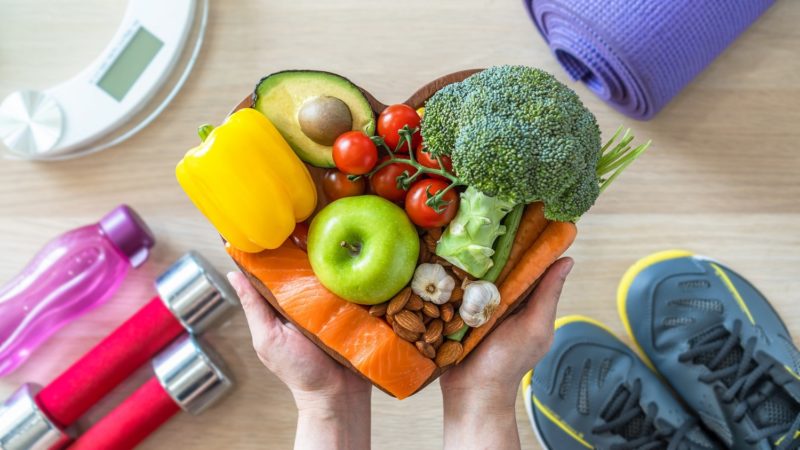
Achieving a flatter belly involves more than just sit-ups and crunches; diet plays a crucial role as well. Incorporating certain foods into your diet can help reduce bloating, support digestion, and promote a healthier body composition. Here are seven belly-flattening food tips to help you achieve your goals:
1. Increase Fiber Intake
Why it Helps: Fiber aids in digestion and helps maintain a healthy weight by providing a feeling of fullness. It can help prevent constipation and bloating, contributing to a flatter belly.
Foods to Include:
- Whole Grains: Opt for whole grain bread, oats, brown rice, and quinoa. These not only supply fiber but also provide sustained energy.
- Fruits and Vegetables: Apples, berries, pears, broccoli, and carrots are high in fiber and can be easily incorporated into meals or snacks.
2. Stay Hydrated
Why it Helps: Staying hydrated helps maintain a balanced digestive system, reduces water retention, and minimizes bloating.
Tips:
- Drink Plenty of Water: Aim for at least eight glasses per day.
- Herbal Teas: Incorporate chamomile, peppermint, or ginger tea to help soothe the digestive tract and reduce bloating.
- Infused Water: Adding lemon, mint, or cucumber can make water more appealing and improve hydration.
3. Incorporate Probiotics
Why it Helps: Probiotics promote a healthy gut by balancing gut bacteria, improving digestion, and reducing bloating.
Foods to Include:
- Yogurt and Kefir: Choose varieties with live and active cultures.
- Fermented Foods: Sauerkraut, kimchi, and miso are excellent sources of natural probiotics.
4. Limit Salt and Sugar Intake
Why it Helps: Excess salt can lead to water retention and bloating, while too much sugar can cause weight gain and increased belly fat.
Strategies:
- Reduce Processed Foods: Cut back on processed snacks and ready-to-eat meals high in sodium and sugar.
- Natural Sweeteners: Use honey or maple syrup in moderation instead of refined sugars.
- Flavor with Herbs and Spices: Use garlic, basil, and cumin to add flavor without relying on salt.
5. Healthy Fats
Why it Helps: Healthy fats can help you feel full and satisfied, preventing overeating and supporting weight loss.
Foods to Include:
- Avocados: Rich in monounsaturated fats, avocados can help reduce belly fat.
- Nuts and Seeds: Almonds, walnuts, and chia seeds are good sources of healthy fats.
- Olive Oil: Use as a dressing or for cooking to incorporate healthy fats.
6. Lean Proteins
Why it Helps: Protein supports muscle development and repair, increases metabolism, and reduces appetite.
Foods to Include:
- Poultry and Fish: Chicken, turkey, and fatty fish like salmon supply high-quality protein and omega-3 fatty acids.
- Legumes: Lentils, chickpeas, and beans offer plant-based protein and fiber.
- Eggs: A versatile protein source that can be included in many meals.
7. Mindful Eating Techniques
Why it Helps: Paying attention to eating habits can prevent overeating and improve digestion, reducing the chance of bloating.
Practices:
- Eat Slowly: Chewing food thoroughly and eating slowly can help prevent bloating and aid digestion.
- Portion Control: Use smaller plates to manage portion sizes and avoid overeating.
- Avoid Distractions: Focus on your meal to improve digestion and enjoy the experience.
Additional Tips:
- Consistency is Key: Integrate these foods and practices into your regular routine for sustained results.
- Holistic Approach: Combine these dietary tips with regular physical activity and adequate sleep for overall well-being.
- Listen to Your Body: Everyone’s body reacts differently to foods; pay attention to how certain foods make you feel and adjust accordingly.
By incorporating these belly-flattening food tips into your daily routine, you can support a healthier digestive system, reduce bloating, and promote a flatter belly. Remember, gradual lifestyle changes often lead to the most enduring results, so be patient and consistent with your efforts.