Food Not To Eat When On Period
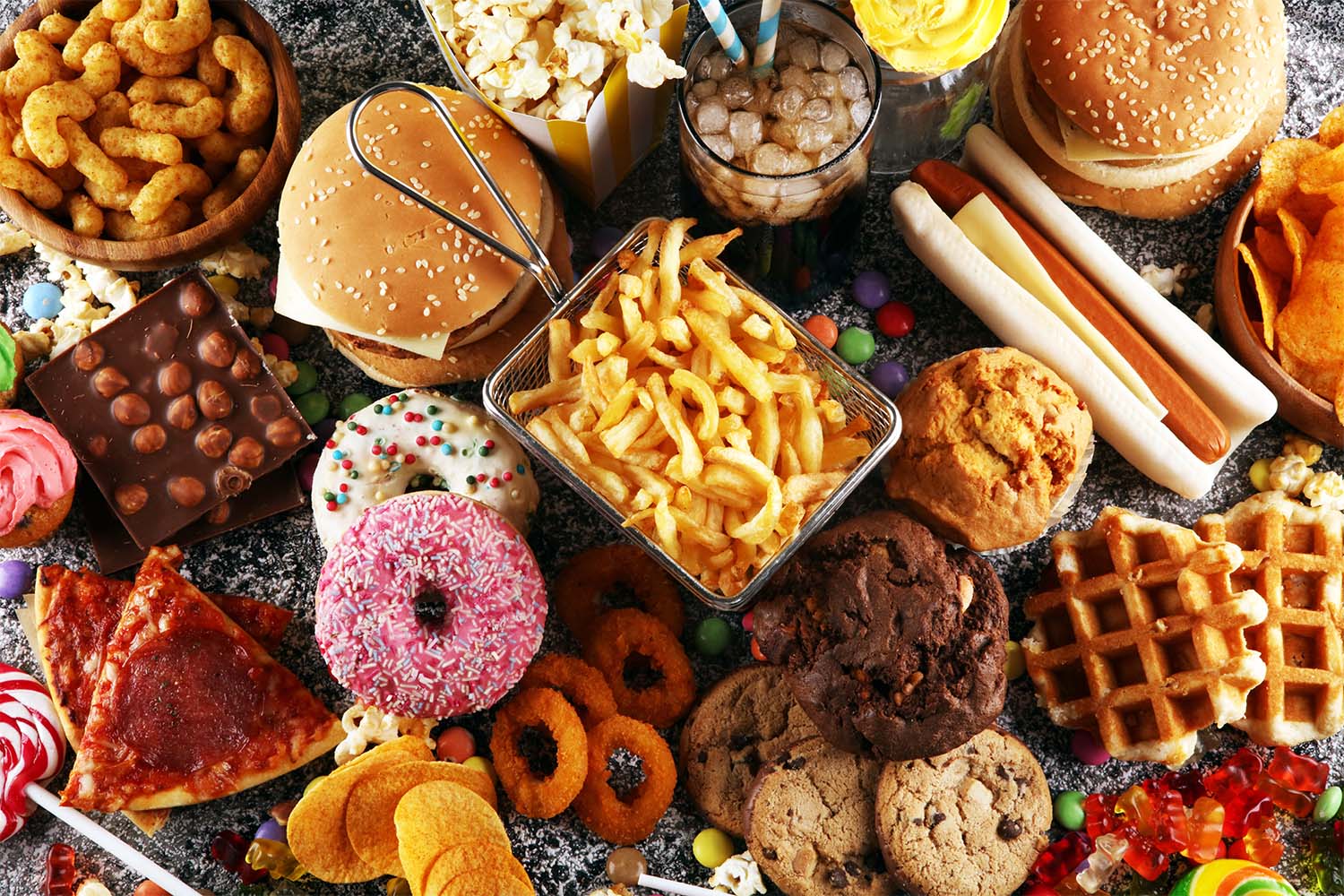
During menstruation, dietary choices can significantly impact how you feel. While certain foods can help alleviate discomfort, others may exacerbate symptoms. Avoiding specific foods can minimize bloating, cramps, and other common period-related issues. Here are some foods to steer clear of during your period:
High-Sodium Foods
Salt can lead to water retention and bloating, intensifying discomfort during your period. Reducing sodium intake can help minimize these symptoms:
- Processed Foods: Packaged and processed foods like chips, canned soups, and frozen meals are typically high in salt and should be avoided whenever possible.
- Fast Food: Burgers, fries, and other fast food items tend to be laden with sodium.
- Cured Meats: Meats such as bacon, ham, and sausages contain high levels of sodium.
Sugary Foods
Excessive sugar can lead to inflammation and unpredictable blood sugar levels, affecting mood and energy:
- Sugary Snacks: Candy, pastries, and desserts can cause rapid spikes and drops in blood sugar, potentially exacerbating mood swings and fatigue.
- Sweetened Beverages: Sodas, energy drinks, and sweetened teas can intensify bloating and irritability.
Caffeine
While a moderate amount of caffeine can sometimes alleviate headaches, excessive caffeine intake can worsen certain menstrual symptoms:
- Coffee and Tea: High caffeine intake can lead to increased anxiety, dehydration, and breast tenderness.
- Chocolate: Although it can offer comfort, chocolate contains caffeine and sugar, which may worsen cramps and mood swings if consumed in large quantities.
Fatty Foods
Saturated and trans fats can promote inflammation and worsen period pain:
- Fried Foods: French fries, fried chicken, and similar foods are high in unhealthy fats.
- Baked Goods: Many cookies, cakes, and pastries contain trans fats and should be limited.
- Fatty Cuts of Meat: Opt for leaner cuts of meat and avoid fatty options which can trigger inflammation.
Dairy Products
For some individuals, dairy products can exacerbate menstrual symptoms such as bloating and cramps:
- Whole Milk and Cream: High-fat dairy products may be problematic for those who experience lactose intolerance or sensitivity during their period.
- Cheese and Ice Cream: While they might be comforting, these products can contribute to bloating and digestive issues in sensitive individuals.
Carbonated Beverages
The carbonation in sodas and sparkling waters can lead to increased bloating and gas:
- Sodas: Both diet and regular sodas should be minimized to reduce bloating.
- Sparkling Water: Opt for still water to stay hydrated without causing additional bloating.
Alcohol
Alcohol can worsen dehydration, disrupt sleep, and exacerbate mood disturbances:
- Wine, Beer, and Spirits: Alcohol can amplify fatigue and contribute to dehydration, making symptoms like cramps and headaches more intense.
Spicy Foods
Spicy foods can irritate the stomach and intestines, leading to increased bloating and discomfort:
- Hot Peppers and Spices: Items like hot sauces and spicy curries should be avoided if they tend to upset your stomach.
- Heavily Spiced Dishes: Limit dishes that use spices that may cause digestive upset.
Refined Carbohydrates
Refined carbs can cause a rapid increase in blood sugar levels, leading to crashes that may worsen mood swings and fatigue:
- White Bread and Pasta: Opt for whole grain versions instead for more sustained energy.
- Pastries and Baked Goods: These are often high in both refined carbs and sugar, exacerbating menstrual symptoms.
Artificial Additives
Chemicals in some foods can exacerbate menstrual discomfort:
- Artificial Sweeteners: Found in diet sodas and sugar-free products, these additives can cause bloating.
- Preservatives: Foods containing preservatives may also trigger adverse reactions during menstruation.
Tips for Period Comfort:
- Listen to Your Body: If you notice specific foods consistently make you feel worse during your period, try to avoid them.
- Moderation: Allow yourself small indulgences, but keep them balanced with nutritious options.
- Hydration: Drink plenty of water to ease bloating and maintain hydration.
- Balanced Nutrition: Focus on whole foods, including fruits, vegetables, lean proteins, and whole grains to support overall well-being.
By being mindful of these dietary choices, you can minimize discomfort and support your body through your menstrual cycle. Remember, individual reactions to foods can vary, so it’s important to find what works best for your specific needs. If menstrual symptoms become severely disruptive, consulting a healthcare professional is advisable.