Dos And Dont’s Of Pregnancy Food
Introduction
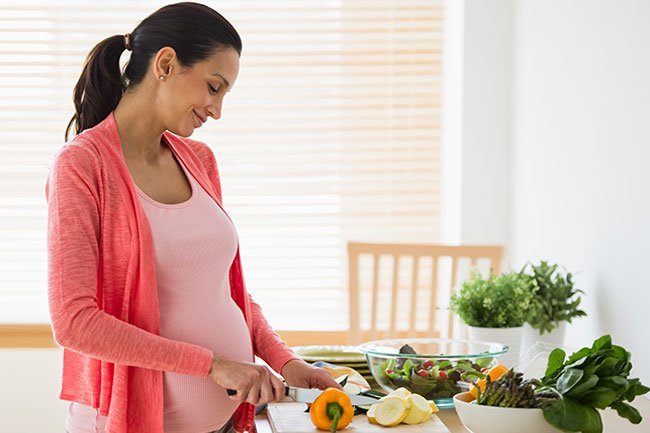
Pregnancy is a vital time when nutrition plays a crucial role in the health of both mother and baby. Making informed dietary choices ensures optimal growth and development for the fetus while maintaining the mother’s well-being. This guide outlines essential dos and don’ts to help navigate pregnancy nutrition effectively.
Dos of Pregnancy Nutrition
- Do Eat a Balanced Diet A balanced diet includes a variety of fruits, vegetables, whole grains, lean proteins, and healthy fats. This ensures a wide range of nutrients that support fetal growth and maternal health.
- Do Focus on Key Nutrients Prioritize nutrients like folic acid, iron, calcium, and omega-3 fatty acids. These are essential for fetal brain development, bone health, and preventing birth defects. Foods rich in these nutrients include leafy greens, dairy, fish, and fortified cereals.
- Do Stay Hydrated Proper hydration supports nutrient transport and helps maintain amniotic fluid levels. Aim to drink plenty of water throughout the day, supplemented by herbal teas and water-rich foods.
- Do Eat Regularly Eating regular meals and snacks helps maintain energy levels and manage pregnancy-related nausea. Small, frequent meals can stabilize blood sugar levels and prevent discomfort.
- Do Include Fiber-Rich Foods Constipation is common during pregnancy, so include fiber-rich foods like whole grains, fruits, and vegetables. These support digestive health and prevent discomfort.
- Do Take Prenatal Vitamins Prenatal vitamins ensure adequate intake of essential nutrients like folic acid and iron, even when dietary intake may vary. Consult with healthcare providers to choose the right supplement.
Don’ts of Pregnancy Nutrition
- Don’t Consume High-Mercury Fish Avoid fish high in mercury, such as shark, swordfish, and king mackerel, as they can harm fetal brain development. Opt for low-mercury choices like salmon and sardines instead.
- Don’t Eat Undercooked or Raw Foods Raw or undercooked eggs, meats, and seafood can pose a risk of foodborne illnesses. Ensure all foods are cooked to safe temperatures to protect both mother and baby.
- Don’t Consume Excessive Caffeine Limit caffeine intake to under 200 mg per day, equivalent to about one 12-ounce coffee. Excessive caffeine is linked to increased risks of miscarriage and low birth weight.
- Don’t Consume Alcohol Avoid alcohol entirely during pregnancy, as it can lead to fetal alcohol spectrum disorders and developmental issues.
- Don’t Overeat Processed Foods Processed foods often contain high levels of sugar, salt, and unhealthy fats. Limiting these foods helps maintain a healthy weight and supports optimal nutrition.
- Don’t Ignore Food Safety Practice food safety by washing fruits and vegetables thoroughly, avoiding unpasteurized dairy, and ensuring proper food storage to prevent contamination.
Additional Tips
- Listen to Your Body Pay attention to hunger cues and eat when hungry. Pregnancy increases caloric needs, but it’s important to focus on nutrient-dense foods.
- Manage Cravings Wisely While it’s normal to have cravings, try to satisfy them with healthier alternatives. For example, choose fruit over sugary snacks or baked chips over fried ones.
- Seek Professional Guidance Regular consultations with a healthcare provider or a registered dietitian can provide personalized advice and address any dietary concerns.
Conclusion
Navigating pregnancy nutrition involves making informed and mindful choices. By focusing on a balanced diet, prioritizing key nutrients, and adhering to safe eating practices, expectant mothers can support their health and their baby’s development. Embracing these dos and don’ts fosters a healthy pregnancy journey, laying the foundation for a thriving future for both mother and child.