Services in event management
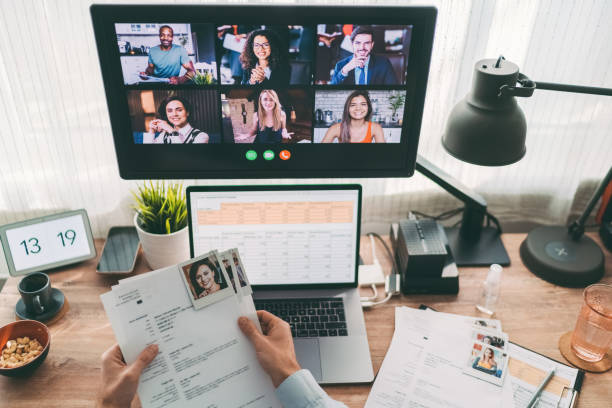
Services in event management
Marketing programs aim to connect with the right audience at the right place and time. This has shifted towards digital marketing techniques over the past decade. Even with the shift to digital marketing channels being more prevalent, events are one of the most effective marketing strategies. They account for 25-30% of all marketing expenditures in organizations of all industries.
Most marketing departments keep the event marketing and digital aspects of marketing separate. A demand generation or digital marketing team is responsible for delivering digital marketing tactics online, and an event marketing or event marketing team is responsible for delivering offline marketing events. These two groups rarely meet, and companies seldom combine the data from their events with that from digital channels.
The Future of Event Marketing Is Digital
Event marketers have always focused on executing events. The most important success metrics are attendance numbers, attendee satisfaction and cost per attendee. This compares to the most common reasons companies hold events – to increase brand awareness, drive leads, and generate sales. You quickly notice the disconnect between event goals and event success metrics.
This is because digital marketing teams often have the expertise and knowledge to measure goals such as brand awareness, lead generation, revenue attribution, and brand awareness. Event data is essential to measure the success and impact of your events online. This gap can be bridged with virtual events.
What does “Digital Marketing” mean?
Digital marketing is essential to fully grasp the potential impact of virtual events and how they can bridge the gap between traditional and digital marketing. Digital marketing is “the act of promoting products and services using online marketing tactics like social media, search engine and email marketing.” It involves nurturing customers through digital interactions with the product and service. Digital marketing is based heavily on content offers. This allows customers to be engaged while ensuring that the content can be found at just the right moment in their unique buying journey. Contacts engage with content, and their marketing engagement score rises. When it reaches a certain level, the contact is designated as an MQL (marketing qualified leads) and passed on to the sales team for follow-up.
Historical View of Events
The right location and the right audience have been the hallmark of in-person events. They are successful because they focus on engaged prospects and customers who are already in the buying process. Your content and company are what event attendees will spend hours on end, sometimes even days. This was taken to indicate that the attendee had made a significant investment. Little thought was given to what the attendees did at the event or their specific interests.
Virtual Events: The Shift to Virtual Events
Virtual events are unique. Virtual events are an excellent digital channel that should be promoted by digital marketing. They are also less costly and easier to produce than in-person events.
Like digital marketing, virtual events focus on content delivery. Virtual events must be more than a webinar to make them unique. Virtual events require the creativity of a TV producer who delivers content for entertainment, enjoyment and consumption. Your audience must be attracted to your event and kept on the line. You must also capture online activity and link it to your digital marketing programs in order to nurture leads from your virtual event.
Virtual Events: Digital Marketers’ Value
These numbers are far higher than the lead numbers digital marketers have been accustomed to generating through their digital programs. These virtual event attendees, unlike those who attend in person events, are more likely to be in the sales and marketing funnels earlier than regular in-person events. They are the ideal audience for digital teams to work alongside the events team to nurture attendees of virtual events through the sales and marketing process. If they are more engaged, they can also be sent directly to sales as qualified leads. This will increase sales and marketing velocity, hopefully increasing the likelihood of closing.